How Freezing Small Portions Saves Me Money, Time, and Food Waste
There’s a moment that used to happen in my kitchen more often than I care to admit.
I’d open the fridge, slide out the vegetable drawer, and stare at what I can only describe as the graveyard of good intentions.
A zucchini that looked slightly tired.
Half a capsicum wrapped in cling film.
A bag of spinach that had clearly given up on life.
And every time I’d sigh and think the same thing.
“Why didn’t I use this earlier?”
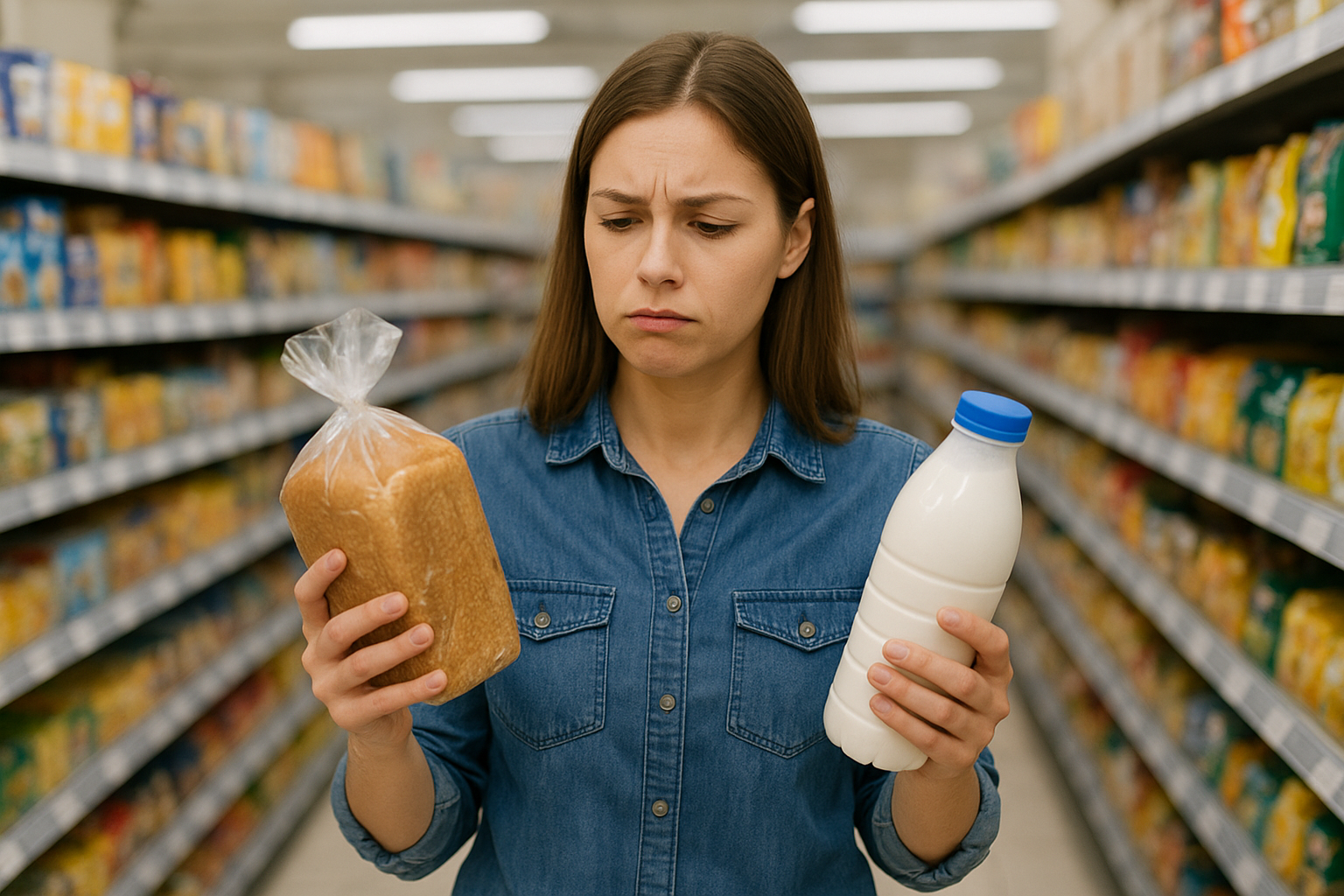
Food waste is one of those quiet little things that creeps into everyday life. We buy fresh ingredients with the best intentions. We imagine colourful meals, healthy snacks, maybe even a bit of cooking inspiration.
Then real life happens.
Busy days. Unexpected plans. A night where you simply can’t be bothered cooking and toast wins the dinner argument.
Before you know it, perfectly good food ends up in the bin.
A few years ago I started doing something simple that changed that pattern completely.
I started freezing small portions of food.
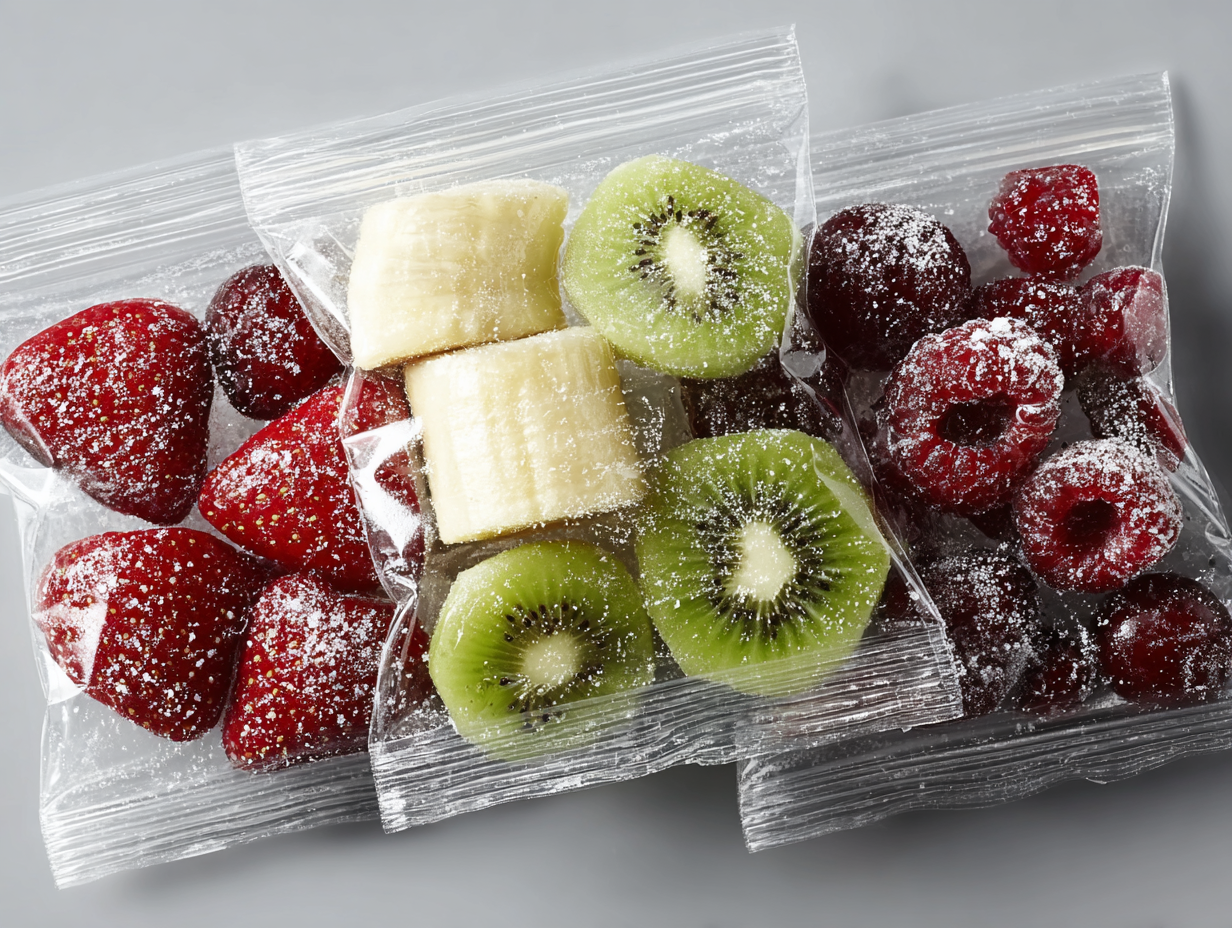
Not giant containers of leftovers that sit in the freezer for months and turn into mysterious ice blocks. I mean small bags of chopped fruit, vegetables, grated cheese, mashed potato, and other little ingredients ready to use whenever I need them.
It’s a tiny habit. Nothing fancy. Just a few minutes here and there while I’m cooking or unpacking groceries.
But over time it has made a surprising difference.
It saves money.
It saves time.
And it dramatically reduces food waste.
In this post I’ll share how this simple freezer habit works, what foods I freeze regularly, and how you can easily start doing the same thing in your own kitchen.
So grab a cup of tea, find a sunny spot if you can, and let’s talk about one of the simplest kitchen habits that quietly makes life easier.
Table of Contents
- Why Food Waste Costs More Than We Realise
- The Simple Freezer Habit That Changed My Kitchen
- The “Small Portion Freezer Method” Explained
- Fruits I Freeze for Quick Healthy Breakfasts
- Vegetables I Chop and Freeze for Easy Meals
- Everyday Foods That Freeze Surprisingly Well
- How Freezing Small Portions Saves Money
- How This Habit Saves Time on Busy Days
- How Freezing Reduces Food Waste
- Simple Freezer Tips That Make It Work
- Quick Meals You Can Make From Frozen Ingredients
- A Few Things That Don’t Freeze Well
Why Food Waste Costs More Than We Realise
Food waste isn’t just about throwing away food. It’s also about throwing away the money you spent buying it.
According to Foodbank Australia, more than 7.6 million tonnes of food are wasted in Australia every year, and households are responsible for a large portion of that waste.
That’s a staggering amount of perfectly edible food ending up in rubbish bins.
Globally, the Food and Agriculture Organization of the United Nations estimates that roughly one third of all food produced in the world is wasted.
Most of this waste doesn’t happen because people are careless. It happens because life gets busy.
Fresh produce spoils faster than expected.
Leftovers get forgotten.
Groceries get pushed to the back of the fridge.
Freezing food at the right moment can interrupt that cycle.
Instead of throwing food away, you extend its life by weeks or even months.
That’s money saved and waste reduced at the same time.
The Simple Freezer Habit That Changed My Kitchen
My freezer used to be a bit chaotic.
There were frozen vegetables, a few containers of leftovers, and the occasional ice cream hiding in the back corner.
These days it looks very different.
Now it’s more like a mini ingredient pantry.
Whenever I notice I have extra food that might not get used soon, I chop it up and freeze it in small bags.
Fruit gets chopped and frozen.
Vegetables get diced and frozen.
Cheese gets grated and frozen.
Leftovers get portioned and frozen.
It means that instead of slowly going bad in the fridge, ingredients are ready and waiting for future meals.
And honestly, there’s something very satisfying about opening the freezer and seeing all those little bags of useful things sitting there.
It feels like your past self quietly did something kind for your future self.
The “Small Portion Freezer Method” Explained
My freezer system isn’t complicated.
It involves three things:
• small freezer bags
• a permanent marker
• five minutes of effort
The basic idea is simple.
Instead of freezing large containers of food, I freeze small portions that are easy to use.
For example:
• a handful of frozen fruit for yoghurt
• a small bag of chopped vegetables for pasta sauce
• a portion of grated cheese for quick meals
Small portions thaw quickly and allow you to grab exactly what you need.
That means less waste and less cooking stress.
It also prevents that classic freezer situation where you defrost a huge container and end up with far more food than you need.
Fruits I Freeze for Quick Healthy Breakfasts
Fruit is one of the easiest foods to freeze.
Whenever fruit starts getting very ripe, or my fruit trees produce more than I can eat, I chop up the fruit and freeze them in small bags.
This has become one of my favourite breakfast shortcuts.
In the morning I can grab a handful of frozen fruit and add it to yoghurt, oats, or a smoothie.
Breakfast is ready in seconds.
Fruit that freezes beautifully includes:
• bananas
• strawberries
• blueberries
• mango
• pineapple
• peaches
• nectarines
Frozen bananas are especially great for smoothies.
According to Healthdirect Australia, freezing fruit preserves most of its nutrients when done properly.
So you’re not losing the goodness by freezing it.
You’re simply saving it for later.

Vegetables I Chop and Freeze for Easy Meals
Vegetables are another freezer favourite in my kitchen.
If I notice vegetables sitting in the fridge that might not get used soon, I chop them into small pieces and freeze them.
Later they can go straight into cooking without any extra preparation.
Vegetables I often freeze include:
• carrots
• capsicum
• zucchini
• mushrooms
• celery
• spinach
• corn
These vegetables work perfectly in:
• pasta sauces
• soups
• casseroles
• stir-fries
• omelettes
It’s amazing how much faster dinner comes together when the vegetables are already chopped.

Everyday Foods That Freeze Surprisingly Well
Many foods freeze much better than people expect.
Some things I regularly freeze include:
• grated cheese
• mashed potato
• cooked rice
• bread slices and muffins
• leftover pasta sauce
• chopped herbs
• cooked vegetables
• soup portions
Grated cheese is especially handy to keep in the freezer.
Instead of buying more cheese when you run out, you can grab a handful from the freezer for pasta, toasties, or baked dishes.
The NSW Food Authority provides guidance on freezing food safely and effectively.
Freezing works best when food is still fresh. If something is already looking a bit tired, freezing it won’t magically fix it.
But freezing fresh food at the right time can extend its life dramatically.
How Freezing Small Portions Saves Money
Freezing food saves money in several ways.
First, it prevents waste.
If food doesn’t go in the bin, you don’t have to replace it.
Second, it helps you use everything you buy.
Instead of buying new ingredients for a meal, you might already have what you need waiting in the freezer.
Third, it reduces extra grocery trips.
When you know you have ingredients ready at home, it’s easier to skip those last-minute runs to the supermarket.
Over time these small savings add up.
And the grocery budget becomes a little easier to manage.
How This Habit Saves Time on Busy Days
Freezing small portions also saves time.
Cooking becomes much quicker when ingredients are already prepared.
You don’t need to chop vegetables from scratch or grate cheese.
It’s already done.
On busy days that makes a big difference.
Dinner can be as simple as:
• pasta with frozen vegetables and sauce
• fried rice with frozen vegetables
• omelettes with frozen spinach
• soup made from frozen vegetables and pantry staples
It’s like doing small bits of meal prep without actually setting aside hours to meal prep.

How Freezing Reduces Food Waste
Reducing food waste has benefits beyond your grocery bill.
It’s also better for the environment.
The United Nations Environment Programme reports that reducing food waste is one of the easiest ways households can reduce environmental impact.
When food is wasted, the water, energy, and resources used to produce it are wasted too.
Freezing food before it spoils helps make the most of what we already have.
And that’s something worth doing.
Simple Freezer Tips That Make It Work
Over time, I’ve learned a few little tricks that make freezing food much easier—and less stressful.
Label Everything
This one is a lifesaver. Always label your freezer bags with the food and date. Trust me, mystery bags are not as fun as they sound. You want to know exactly what’s inside and when you froze it—especially if you’ve got a few bags of diced vegetables or chopped fruit all looking very similar.
Freeze Flat
One of my favourite hacks is freezing bags flat. Lay them on a tray or plate until frozen, then stack them like little pancakes in your freezer. It saves a ton of space, makes them easier to organise, and speeds up thawing. No more digging through a messy freezer to find that handful of frozen carrots you desperately need.
Use Small Portions
I can’t stress this enough. Small portions thaw faster and are easier to use. Plus, it stops you from defrosting a huge batch of something and then not knowing what to do with it. A handful of frozen fruit for breakfast, a small bag of vegetables for pasta sauce—perfect.
Rotate Older Food First
When you add new items to the freezer, move the older bags to the front. This ensures you use what’s been frozen the longest and prevents those sad, forgotten freezer surprises.
Use Plastic Bags Responsibly
I know some of you might be thinking, “But what about plastic?” And yes, plastic bags are not the most eco-friendly option. But honestly, they’re super handy for freezing small portions. They freeze flat, which saves space, and they thaw quickly, making meals come together faster on busy days.
If you’re worried about the environmental impact, there are a few ways to use them responsibly:
- Choose reusable freezer bags where possible. Silicone or heavy-duty options can be washed and used dozens of times.
- Rinse and reuse single-use bags. I often repurpose bags that held frozen fruit or vegetables if they’re clean.
- Recycle soft plastics. Many supermarkets in Australia have soft plastic recycling programs, or you can check with your local council.
The goal is balance. Using plastic bags thoughtfully means you still get the time, space, and money-saving benefits of freezing small portions, without unnecessary waste.
Quick Meals You Can Make From Frozen Ingredients
Once your freezer is stocked with small portions, quick meals become incredibly easy.
A few favourites include:
• vegetable pasta using frozen diced vegetables
• omelettes with frozen spinach and mushrooms
• smoothies with frozen fruit
• fried rice with frozen vegetables and leftover rice
• soups made from frozen vegetable mixes
Sometimes the best meals are the simplest ones.
Especially when they come together quickly.

A Few Things That Don’t Freeze Well
While many foods freeze beautifully, a few don’t do so well.
Foods that don’t freeze particularly well include:
• lettuce
• cucumbers
• raw potatoes
• cream-based sauces
These foods tend to change texture after freezing.
But for most everyday ingredients, freezing works perfectly.
Etsy Printables You Might Love
If you enjoy organising your kitchen and planning ahead, you might like some of the printable planners in my Etsy shop, AnneLawesDigital.
• Meal Organiser – to simplify weekly food choices and save mental energy.
• My Meaningful Daily Planner and Question Cards – to help you focus on what truly matters.
• My Dream Life Map – for rediscovering your goals and visualising your next steps.
Freezing small portions might seem like a tiny kitchen habit, but it can make a surprisingly big difference.
It saves money by reducing food waste.
It saves time by making meals quicker to prepare.
And it helps make the most of the food we already have.
Sometimes the simplest habits are the ones that quietly improve everyday life.
And once you start using your freezer this way, it becomes one of the most useful parts of the kitchen.
If you enjoyed this post, I’d love to hear from you.
- Leave a comment and tell me What foods do you like to freeze?
- Join my email list for access to my Free Resource Library, plus gentle email updates with new blog posts and printables
- Browse my Etsy shop and choose something that feels right for where you are now
Sometimes the best ideas come from sharing what works in real life.