
Living Solo and Loving It: A Practical Guide to Thriving on Your Own
Living solo can feel like both a dream and a challenge. One day you’re relishing the peace of your own company, the next day the silence echoes a little too loudly. But here’s the thing: living alone doesn’t have to be lonely or boring. In fact, it can be downright liberating. In this post, I’m going to share practical tips and gentle encouragement for anyone embracing a solo lifestyle. You’ll learn how to enjoy your own company, create a home you love, maintain social connections, and build routines that make your days joyful and fulfilling.
Whether you’ve recently found yourself living alone, or you’re a long-time solo dweller looking for fresh inspiration, this post is for you.
Table of Contents
- Why Living Solo Can Be the Best Thing for You
- Embracing Your Independence
- Creating a Home That Feels Like You
- Building Your Daily Routine
- Staying Connected Without Losing Yourself
- Thriving Financially as a Solo Dweller
- Self-Care and Well-being
- Fun and Leisure on Your Own Terms
- Overcoming Self-Doubt
- Etsy Printables You Might Love
Why Living Solo Can Be the Best Thing for You
Living alone gives you something precious: autonomy. You get to make your own decisions, embrace your quirks, and truly explore what makes you happy. According to Australian Bureau of Statistics, nearly 26% of Australian households are now single-person, showing that living solo is becoming a normal, positive choice.
Total Control Over Your Space
When you live solo, every corner of your home belongs to you. You can arrange your furniture exactly how you like, paint walls in your favourite colours, and decorate without compromise. No more negotiating over throw pillows or TV channels. Your home becomes a reflection of your personality, a sanctuary that feels truly yours.
Freedom of Routine
One of the greatest perks of living alone is the freedom to structure your days however you want. Want to eat breakfast at 10 am or binge-watch a whole series at midnight? Go for it. This flexibility allows you to listen to your body, honour your own rhythm, and embrace spontaneity without worrying about anyone else’s schedule.
Deep Self-Discovery
Living solo provides the quiet and space needed for self-reflection. Without external distractions, you can uncover what really matters to you, identify your passions, and explore your values. It’s a chance to get to know yourself deeply, and in the process, develop a confidence and self-reliance that’s hard to achieve in a shared living environment.
Emotional Resilience
Handling day-to-day life on your own—like managing bills, cooking, or fixing a leaking tap—builds resilience and problem-solving skills. You learn to rely on yourself, celebrate small victories, and trust your own judgment. This independence fosters a sense of empowerment that carries into all areas of life.
Opportunity for Creativity and Personal Growth
When you live alone, there’s no limit to the ways you can express yourself. Whether it’s redecorating a room, experimenting in the kitchen, or pursuing hobbies and passion projects, your home and your life become a canvas. Creativity flourishes, and personal growth becomes a natural part of your daily experience.
Health and Well-being Benefits
Solo living can encourage healthier habits. You have full control over your diet, sleep patterns, and environment. You can create routines that nurture your mind and body, leading to improved mental health and overall well-being. Studies have shown that people who enjoy their own company often experience lower stress levels and higher life satisfaction.
Helpful Tip: Keep a journal of small wins and daily joys—it reinforces gratitude and helps you appreciate the freedom of solo living.
Embracing Your Independence
Living alone is more than just a living arrangement—it’s a lifestyle choice that gives you the space to thrive as your own person. Independence is a skill and a mindset, and living solo is the perfect opportunity to develop it fully.
Redefining Your Identity
When you live solo, you’re free to explore and express who you really are. You can:
- Try things that always intrigued you but never had the time for.
- Reflect on your values and priorities without external influence.
- Rediscover old hobbies or find new ones.
It’s about shedding old expectations and discovering the life that truly makes you happy. For example, you might realise you love gardening, painting, or even solo travel more than you ever expected. This freedom allows for a more authentic version of yourself to emerge.
Helpful Tip: Set aside quiet time each week to journal about your passions, goals, and dreams. It’s amazing how much clarity comes from putting thoughts on paper.
The Joy of Doing Things Your Way
One of the sweetest perks of living solo is the ability to create routines and habits that suit you, no compromises necessary. Some ways to enjoy this freedom include:
- Cooking exactly what you crave without negotiation.
- Listening to music you love, at the volume you like.
- Organising your home, your schedule, and your workspace entirely around your needs.
Living independently allows you to experiment and find what works best for your happiness, productivity, and peace of mind.
Helpful Tip: Make a “solo enjoyment list” of small things that make your days feel special—a perfect cup of coffee, a scenic walk, or a favourite podcast. Refer to it whenever you want a mood boost.
Building Confidence Through Independence
When you live alone, every small challenge becomes an opportunity to grow. Fixing a leaking tap, cooking a new recipe, or handling unexpected bills all contribute to your sense of self-reliance. Over time, these experiences build confidence and resilience, reinforcing the idea that you are capable of handling life’s ups and downs.
Helpful Tip: Celebrate small victories. Even making it through a tough week alone deserves a pat on the back. Consider keeping a “wins jar” to drop notes of achievement into—it’s a visual reminder of your strength.
Freedom Without Fear
Independence isn’t just about doing things your way; it’s also about embracing life without fear. Solo living gives you the chance to take small risks and try new experiences without worrying about someone else’s opinions. Whether it’s attending a class alone, exploring a new hobby, or travelling solo, each step reinforces your confidence and sense of freedom.
Helpful Tip: Schedule one new activity each month that pushes you slightly out of your comfort zone. It could be a pottery class, a hiking trail, or even dining solo at a restaurant. Every small adventure builds courage.
Remember, living independently doesn’t mean you have to do everything perfectly. Some days will be blissful, others challenging. That’s life. What matters is embracing the journey, trusting your instincts, and celebrating your growth. Independence is a gift that keeps giving—it nurtures confidence, resilience, and joy.
Creating a Home That Feels Like You
Your home is your sanctuary, especially when living solo. It’s where you recharge, reflect, and embrace your independence. Creating a space that feels like “you” is both empowering and comforting, and it doesn’t have to be complicated or expensive.
Decorating for Comfort and Joy
Think about the spaces that make you feel happy, relaxed, and inspired. Start with the basics:
- Colour Palette: Choose colours that bring you calm or energy, depending on the room. Soft neutrals can be relaxing, while pops of colour add vibrancy.
- Textures and Fabrics: Add cosy throws, cushions, rugs, and curtains. Texture makes a space feel warm and inviting.
- Personal Touches: Photos, artwork, or souvenirs that tell your story. These small items create a sense of belonging and personality.
- Lighting: Natural light is ideal, but layered lighting with lamps, fairy lights, or candles can create a comforting atmosphere.
- Plants and Greenery: Indoor plants not only purify the air but also add life and cheer to your home.
Helpful Tip: Start with one room at a time. Transforming your space gradually is more manageable and fun than trying to do it all at once.

Practical Tips for Solo Living
Creating a beautiful home is one thing but making it functional is another. Solo living comes with its own practical considerations:
- Smart Storage Solutions: Use baskets, shelves, and under-bed storage to keep clutter at bay. Less clutter = less stress.
- Safety First: Check smoke alarms, install good lighting, and consider a smart lock for peace of mind.
- Efficient Kitchen Setup: Cooking for one can be enjoyable. Invest in small appliances and containers for batch cooking and freezing.
- Comfortable Work/Study Space: Even if you’re not working from home, having a small organised corner for writing, crafting, or paying bills helps keep life organised.
- Minimalism vs. Personalisation: Strike a balance. Too many items can feel chaotic, but personal touches prevent your space from feeling sterile.
Helpful Tip: Rotate décor or add seasonal touches. Even small changes like fresh flowers, scented candles, or new cushions can give your home a fresh feel.
Embracing Your Space as Your Own
One of the best things about living solo is that you don’t have to negotiate your space. Want to rearrange the furniture at 10 pm just because it feels right? Go for it. Love having a reading nook with all your favourite books stacked nearby? Perfect. Your home is a reflection of you, and every choice you make is a celebration of your independence.
Helpful Tip: Make a “happy corner” in your home. It is a space dedicated to doing things that bring you joy. This could include activities like reading, crafting, or enjoying a cup of tea in the morning sun.
Building Your Daily Routine
Having a routine as a solo dweller isn’t about rigid schedules; it’s about creating structure that supports your wellbeing, productivity, and joy. When you live alone, you get the rare opportunity to design your days completely around your needs and preferences.
Morning Rituals to Start Your Day Right
Your morning sets the tone for the rest of your day. Solo living allows you to craft a gentle, intentional start:
- Wake Up Mindfully: Avoid the jolt of your phone alarm. Try gentle music or a sunrise light alarm.
- Hydrate and Stretch: Drink a glass of water and do light stretching or yoga to wake up your body.
- Mindful Breakfast: Make a breakfast that you genuinely enjoy—pancakes, smoothie, or avocado toast. Eat without rushing.
- Set Intentions: Take a few minutes to journal or think about your priorities for the day. Focus on what you want to accomplish and how you want to feel.
Helpful Tip: Treat your morning as a ritual, not a chore. It’s your time to check in with yourself and set a positive tone for the day.

Evening Routines for Relaxation
Evening routines are about winding down and reflecting. They help you sleep better and feel content with your day:
- Digital Detox: Limit screen time at least an hour before bed.
- Reflective Journaling: Note down achievements, moments of gratitude, or lessons learned.
- Relaxation Practices: Warm bath, herbal tea, or gentle music to signal your body it’s time to wind down.
- Prep for Tomorrow: Lay out clothes or plan breakfast, so your morning starts smoothly.
Helpful Tip: Create a soothing ritual that signals the end of the day. This can be lighting a candle, playing soft music, or simply stepping onto the balcony to breathe in fresh air.
Tips for Staying Productive and Balanced
Living alone gives you freedom, but it also requires self-discipline to avoid drifting or overworking:
- Time Blocking: Allocate blocks for work, chores, meals, and leisure. It keeps you productive without feeling overwhelmed.
- Task Lists: Use a planner or digital app to track daily goals. Tick them off for a sense of accomplishment.
- Breaks and Downtime: Schedule small breaks for walks, tea, or just breathing. Solo living can make you prone to overworking.
- Mix of Solo and Social Activities: Balance your day with time for yourself and connections with friends or family.
- Self-Check-In: Regularly assess your energy levels and adjust routines to avoid burnout or boredom.
Helpful Tip: Experiment with different routines until you find a rhythm that feels natural. Flexibility is key. Routines should support you, not restrict you.
Remember, your routine is your personal tool for thriving. Some days will go perfectly, others will feel messy, and that’s okay. The beauty of living solo is you can adapt your schedule without worrying about inconveniencing anyone else. Your routine should feel like a friend that supports, rather than a taskmaster that pressures.
Staying Connected Without Losing Yourself
Living solo doesn’t mean you have to feel isolated. Maintaining social connections is key to emotional well-being, but it’s just as important to protect your independence and the time you need for solitude. With a bit of planning and intention, you can enjoy the best of both worlds.
Cultivating Friendships
Friendships are the lifeblood of a happy solo lifestyle. Nurture your existing relationships and be open to new ones:
- Regular Catch-Ups: Even short interactions make a difference. A quick coffee, phone call, or text check-in can strengthen bonds.
- Small Shared Activities: Invite friends for walks, cooking sessions, or local art classes. The focus is on connection, not extravagance.
- Micro Moments of Fun: Share a funny video, meme, or message to keep in touch without requiring a full meet-up.
- Be Honest About Your Needs: Let friends know you value your alone time. They’ll respect your boundaries and appreciate your honesty.
Helpful Tip: Rotate social activities between high-energy outings and calm, low-key catch-ups to suit your mood and energy. Small interactions often matter more than grand gestures.
Community Engagement
Being part of a community fosters connection and purpose. Focus on small, manageable ways to stay involved:
- Local Clubs and Classes: Attend a weekly yoga class, join a book club, or volunteer for short shifts. Consistency matters more than intensity.
- Neighbourhood Interactions: Chat with neighbours when walking the dog, at the local market, or during community events.
- Online Communities: Join Facebook groups, forums, or apps like Meetup for interest-based interactions that can lead to small in-person meetups.
Helpful Tip: Look for low-pressure, genuine activities. Small regular connections help you feel integrated without overwhelming your independence.
Balancing Alone Time and Social Time
The secret to thriving while solo is balancing connection with solitude. Small interactions can keep loneliness at bay while maintaining your sense of freedom:
- Plan Mini Social Moments: Schedule coffee dates, phone calls, or casual walks instead of trying to fill your week with big events.
- Respect Your Quiet Days: Some days call for reading, journaling, or a solo walk. Honour that need without guilt.
- Micro Adventures: Explore new cafes, parks, or local shops solo. These little experiences count as both leisure and social connection when you notice and greet others.
- Build a Reliable Support Network: Keep a few go-to friends or family members you can contact easily for a chat or short meet-up.
Helpful Tip: Treat your alone time as essential fuel. It’s the reason you can be fully present, cheerful, and engaged in even brief social interactions.ge

Being socially connected while living alone is a skill you can refine. Quality trumps quantity: a few meaningful friendships and community ties are more valuable than a packed social calendar. Honour your need for solitude—where clarity, creativity, and inner peace flourish. Over time, small interactions will naturally balance with your alone time, supporting your independence while keeping loneliness at bay.
Thriving Financially as a Solo Dweller
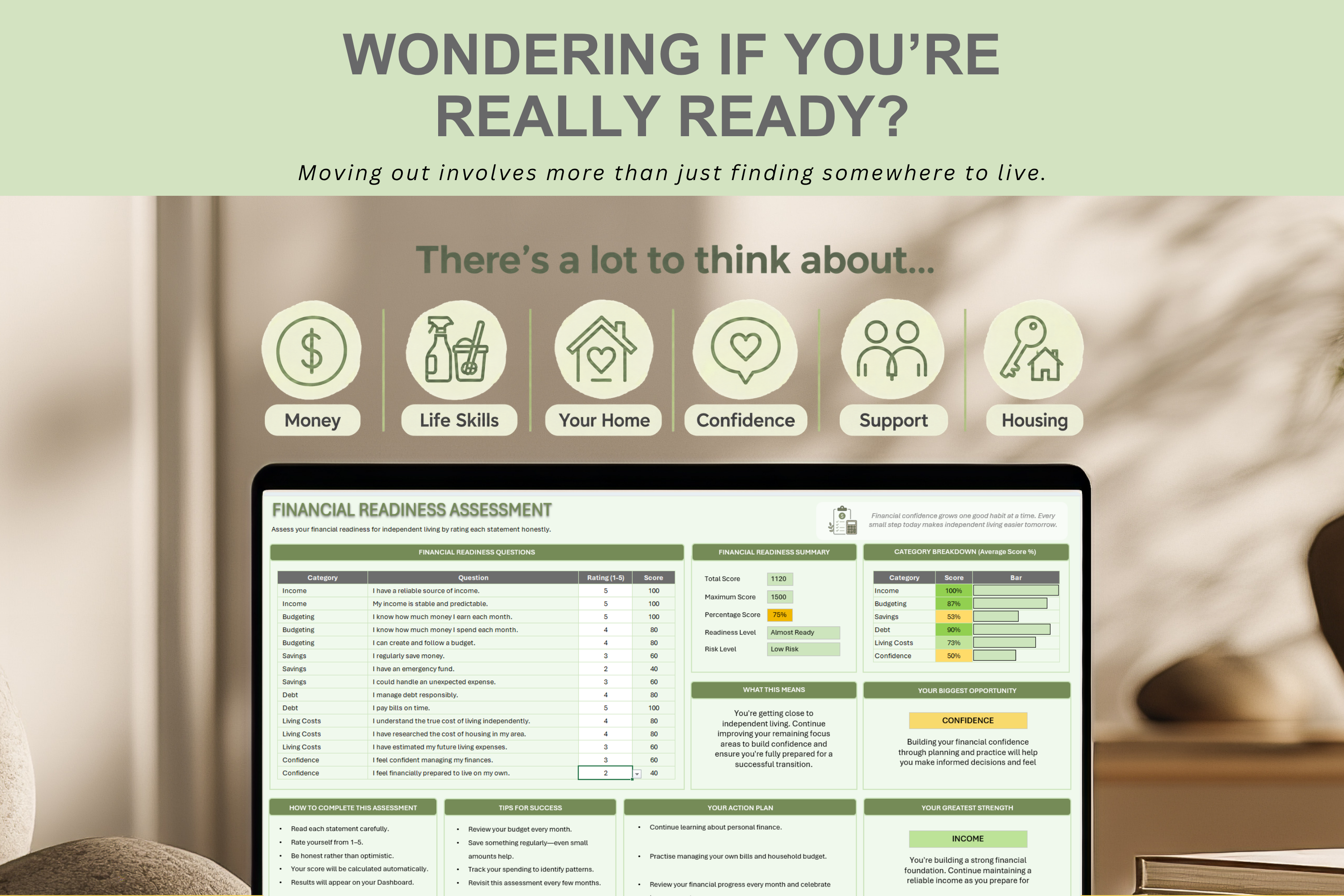
Living alone gives you full control over your finances. It can be empowering but also comes with responsibility. Thriving financially as a solo dweller is about balancing smart budgeting, planning for the future, and occasionally treating yourself without guilt.
Spending Money Wisely and Frugally
- Track Your Spending: Keep a simple record of all your expenses, from bills to coffee runs. Awareness is the first step to wise spending.
- Prioritise Essentials: Rent/Mortgage, utilities, groceries, and insurance come first. Cut back on non-essential items if needed.
- Meal Planning and Batch Cooking: Cook in bulk to save money and reduce food waste. Frozen portions can make solo living convenient and frugal.
- Smart Shopping: Take advantage of discounts, loyalty programs, and second-hand options for furniture, books, or décor.
- Limit Impulse Buys: Before purchasing, ask yourself if it’s something you truly need or will genuinely enjoy.
Helpful Tip: Use budgeting apps or a spreadsheet to track expenses, set limits, and visualise your spending patterns.
Planning for the Future
- Emergency Fund: Build a safety net to cover unexpected expenses, ideally three to six months of living costs.
- Superannuation and Savings: Contribute regularly to your superannuation and savings accounts to ensure long-term security.
- Insurance: Health, contents, home, and car insurance protect both you and your belongings.
- Invest Wisely: Consider low-risk investments or term deposits if you want your money to grow without taking unnecessary risks.
- Set Goals: Short-term (saving for a trip) and long-term (buying a home or retirement) goals provide direction and motivation for your finances.
Helpful Tip: Schedule a monthly financial review to adjust spending, track progress, and celebrate small wins. Regular check-ins prevent money stress from creeping up.
Treating Yourself Occasionally
Financial discipline doesn’t mean living without joy. Occasional treats are important for mental wellbeing:
- Set a Treat Budget: Allocate a small portion of your budget for little indulgences—like a special coffee, a new book, or a spontaneous outing.
- Plan Special Experiences: A solo day trip, a favourite meal, or a craft purchase can boost your mood without derailing your budget.
- Celebrate Achievements: Completing a challenging project or reaching a savings milestone deserves recognition, even if it’s just a little splurge.
Helpful Tip: Think of treating yourself as a reward, not a guilty pleasure. When done mindfully, indulgences reinforce positive financial habits and make solo living enjoyable.
Managing your finances as a solo dweller is empowering. You’re in charge, and with a mix of careful planning, frugal habits, and occasional treats, you can live comfortably, save for the future, and still enjoy life’s pleasures.
Self-Care and Well-being
Living solo gives you the chance to focus on your health and wellbeing in ways that suit you best. Taking care of yourself—physically, mentally, and emotionally—ensures you thrive and enjoy your independence.
Physical Health
- Regular Exercise: Find activities you enjoy, whether it’s walking the dog, yoga at home, swimming, or cycling. Short daily movement is better than occasional intense workouts.
- Nutritious Eating: Plan meals that fuel your body. Cooking for one allows you to experiment with foods you love, while avoiding waste.
- Sleep Routine: Go to bed and wake up at consistent times. Good sleep improves mood, energy, and focus.
- Health Check-Ups: Schedule regular doctor, dental, and vision appointments. Preventative care is easier when you take responsibility for your health.
Helpful Tip: Set small, achievable fitness goals, like a 20-minute walk three times a week. Celebrate these wins—they build momentum.
Mental and Emotional Health
- Journaling: Reflect on your thoughts, feelings, and achievements. It’s a powerful tool for self-awareness and emotional clarity.
- Mindfulness and Meditation: Even five minutes of breathing exercises or guided meditation can reduce stress and improve focus.
- Creative Outlets: Painting, crafting, writing, or music helps express emotions and provides joy.
- Social Check-Ins: Regularly connect with friends, family, or community to maintain emotional balance.
- Therapy or Counselling: Seeking professional support is a strong and proactive step, not a sign of weakness.
Helpful Tip: Create a “well-being corner” in your home. This is a small space with calming items like plants, a favourite chair, books, or candles. Use it for reflection, meditation, or creative activities.
Prioritising self-care when living solo is not selfish, it’s essential. Your health and wellbeing lay the foundation for enjoying independence, pursuing passions, and connecting meaningfully with others. Embrace routines that support both your body and mind, and don’t feel guilty about putting yourself first. Small, consistent habits can have a huge impact over time.

Fun and Leisure on Your Own Terms
Living solo means you have the freedom to spend your time exactly how you like. Leisure and fun aren’t just luxuries; they’re essential for happiness, creativity, and balance.
Hobbies and Passion Projects
- Explore Old and New Interests: Dust off a hobby you’ve neglected or try something entirely new, like painting, knitting, writing, or gardening.
- Solo Projects: Personal projects—like organising a photo album, creating a vision board, or DIY home projects—are deeply satisfying and give a sense of accomplishment.
- Learning Opportunities: Take online courses, attend workshops, or watch tutorials on topics that interest you. Solo learning can be incredibly fulfilling.
- Creative Play: Don’t shy away from playful activities like dancing around your living room, experimenting in the kitchen, or crafting quirky home décor.
Helpful Tip: Set aside regular time each week for hobbies or projects. Even small, consistent efforts build skills and joy.
Travel and Exploration
- Day Trips: Explore local parks, beaches, or hidden gems in your city. Solo excursions allow you to move at your own pace.
- Weekend Getaways: Treat yourself to a solo trip every few months. Book a cosy Airbnb, enjoy your favourite activities, and soak in the freedom.
- Cultural Experiences: Visit museums, galleries, or theatres. Solo visits allow you to fully immerse yourself without distraction.
- Mindful Travel: Take photos, journal, or sketch your adventures to preserve memories and reflect on experiences.
Helpful Tip: Start small. Even exploring a new neighbourhood or café alone can spark a sense of adventure and confidence.
Embracing Solitary Joys
- Comfortable Solo Dining: Cook or order a meal you love, set the table nicely, and enjoy without interruptions.
- Nature Time: Walk, hike, or simply sit outside. Nature is restorative and helps you reconnect with yourself.
- Personal Rituals: Create little ceremonies that make life feel special—a Sunday morning coffee on the balcony, a nightly skincare routine, or a solo movie night.
Fun and leisure don’t require a companion. In fact, exploring passions alone can be liberating. Embrace the freedom to experiment, fail, and succeed on your own terms. Over time, you’ll cultivate hobbies and experiences that enrich your life and build confidence in your independence.

Overcoming Self-Doubt
While living solo offers freedom and peace, it can also bring moments of self-doubt. You might question your choices, compare your life to others, or wonder if you’re doing it ‘right’. The truth is, self-doubt is completely normal. It’s part of being human. The key is learning how to recognise it, quiet it, and replace it with self-trust.
Recognising Self-Doubt
Self-doubt often shows up as that little inner voice whispering things like, “You’re not good enough” or “You should have figured this out by now.” It thrives in quiet moments and can grow when you spend too much time alone. Recognising its presence is the first step in overcoming it.
Helpful Tip: When you notice self-critical thoughts, pause and label them. Simply saying, “Oh, that’s self-doubt talking,” creates distance and weakens its grip.
Reframing Negative Thoughts
When you live alone, you become your own sounding board—so it’s important to keep your self-talk kind and constructive.
- Challenge the Voice: Ask yourself, “Is this thought true?” or “Would I say this to a friend?” Most of the time, the answer is no.
- Replace Doubt with Evidence: Remind yourself of your achievements, however small. Keep a “confidence journal” to note things you’ve done well.
- Practice Gratitude: Focusing on what’s going right builds optimism and resilience.
- Affirmations: Use positive statements like “I am capable,” “I can trust my judgment,” or “I am learning and growing.” Repetition reshapes your mindset over time.
Helpful Tip: Keep your affirmations visible—on the fridge, mirror, or journal. Seeing them daily reinforces belief in yourself.
Building Confidence Through Action
Confidence grows when you take small, consistent actions—even when you don’t feel ready.
- Start Small: Whether it’s fixing something around the house, managing finances, or joining a local class, each success builds self-assurance.
- Celebrate Progress: Acknowledge your wins, no matter how minor. Did you cook a new recipe? Handle a tricky situation calmly? That’s growth.
- Step Outside Your Comfort Zone: Try new activities or social settings. Each step strengthens courage and self-belief.
Helpful Tip: Remember, confidence doesn’t mean never feeling fear—it means doing it anyway and proving to yourself that you can.
Surround Yourself with Positivity
Your environment and company shape how you feel about yourself.
- Seek Supportive People: Spend time with friends or family who uplift you.
- Limit Negative Influences: Step back from people or media that make you feel inadequate.
- Curate Inspiration: Follow positive voices—podcasts, books, or social media accounts that encourage growth and self-acceptance.
Helpful Tip: You don’t need a large circle; even one or two genuinely supportive people can make a huge difference.
Self-doubt loses its power when you replace it with curiosity, compassion, and courage. Living solo gives you space to explore who you really are, free from external expectations. Trust that you’re exactly where you need to be. You’re capable, resilient, and learning every day. When that little voice of doubt pops up, smile and remind yourself. You’ve got this.
Etsy Printables You Might Love
- My Meaningful Daily Planner and Question Cards – to help you focus on what truly matters.
- Independent Woman Affirmation Cards – to reinforcing a positive mindset, promoting self-love, and inspiring daily motivation.
- My Dream Life Map – a guided template for visualising a hopeful future.
Living solo is not just about being alone; it’s about discovering your independence, building routines that bring you joy, and creating a life that feels authentically yours. With a little planning, a sense of humour, and self-compassion, you can turn solo living into a thriving, fulfilling chapter of your life.
If this post was helpful, please share your solo living experiences in the comments below.